The parcel looked perfect. Then the problems started.
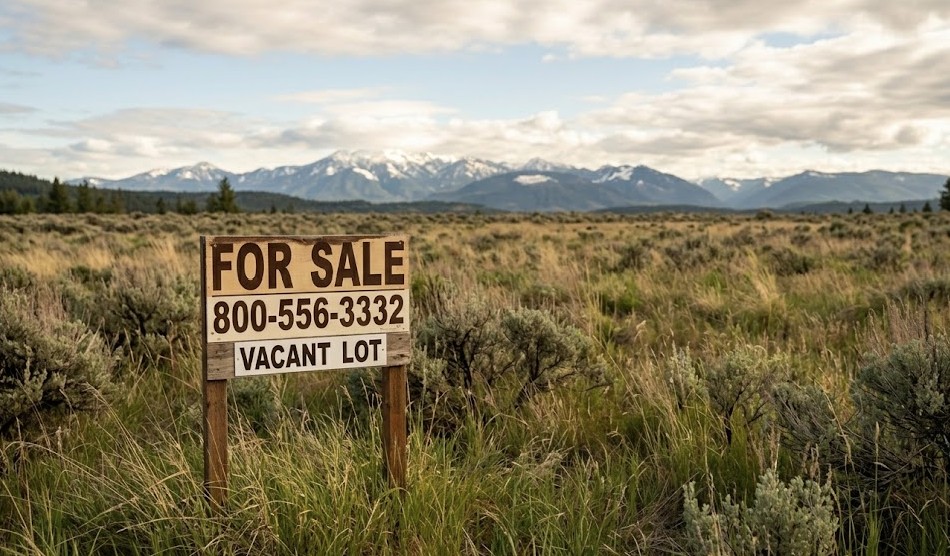
A buyer found three acres outside Vancouver, WA. The listing said “build your dream home.” The price was below comparable lots in the area. The drone photos showed a flat, clear meadow with mountain views.
Six months after closing, the buyer learned that half the lot sat inside a wetland buffer, the nearest sewer connection was over a mile away, the soil wouldn't support a standard septic system, and power extension would cost $45,000.
That “below market” price suddenly made sense.
This happens more often than you'd think. Vacant land doesn't come with the same disclosure requirements as a home sale. The burden of discovery falls on you.
Here's what to check.
Check 1: Zoning and what it actually allows
Pull up the county GIS system and confirm the zoning. Then read the actual code — not just the zone name.
“Residential” doesn't mean what most people think it means. A residential zone might require minimum lot sizes of five or ten acres. It might limit you to one dwelling. It might have height restrictions, lot coverage caps, or setback distances that severely limit where you can build on the lot.
Also check for overlay zones. These are additional regulations that sit on top of base zoning. Critical area overlays, shoreline designations, historic districts, and airport compatibility zones all add restrictions that don't appear in the basic zoning code.
Check 2: Septic or sewer — the deal-maker or deal-breaker
If the property isn't connected to municipal sewer, you'll need a septic system. And you need to know whether one is feasible before you buy.
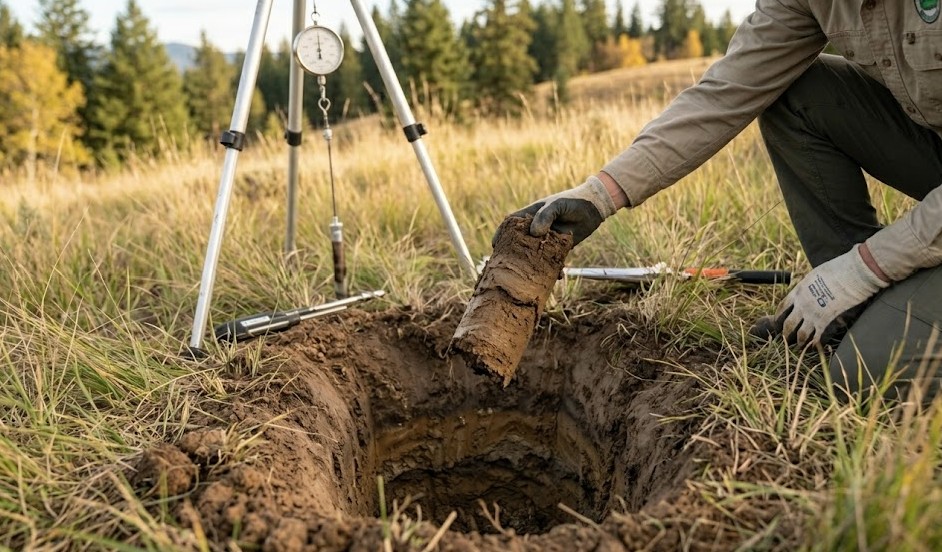
Has a perc test been conducted? What were the results? Has a septic designer evaluated the lot? Is there enough space for a drain field given the setback requirements from property lines, wells, and water features?
In areas like rural Pierce County, parts of Kitsap County, or the hills east of Everett, soil conditions can make standard septic systems impossible. Our septic services team evaluates engineered alternatives that cost significantly more but may save the project.
Don't accept “it should work” from a seller or agent. Get data.
If the seller says “we never got around to the perc test,” treat that as a warning, not an oversight. Sellers who know a parcel has good soil conditions have every incentive to test and promote those results. Silence on septic often means the answer is unfavorable or unknown.
Check 3: Utility access and real costs
Contact each utility provider directly. Don't rely on the listing, the seller, or assumptions.
You need to confirm electric service availability and distance, water source (municipal connection or well requirement and estimated drilling depth), gas availability if desired, and internet or cellular service.
Utility extension costs are the hidden budget item that transforms “affordable land” into expensive land. Running power from a main line to a remote parcel in the San Juan Islands or deep in rural Lewis County can cost tens of thousands. Well drilling in parts of eastern Washington where aquifers are deep adds more.
Get quotes. Not estimates from the seller. Actual quotes from the utility providers.
Check 4: Environmental constraints and critical areas
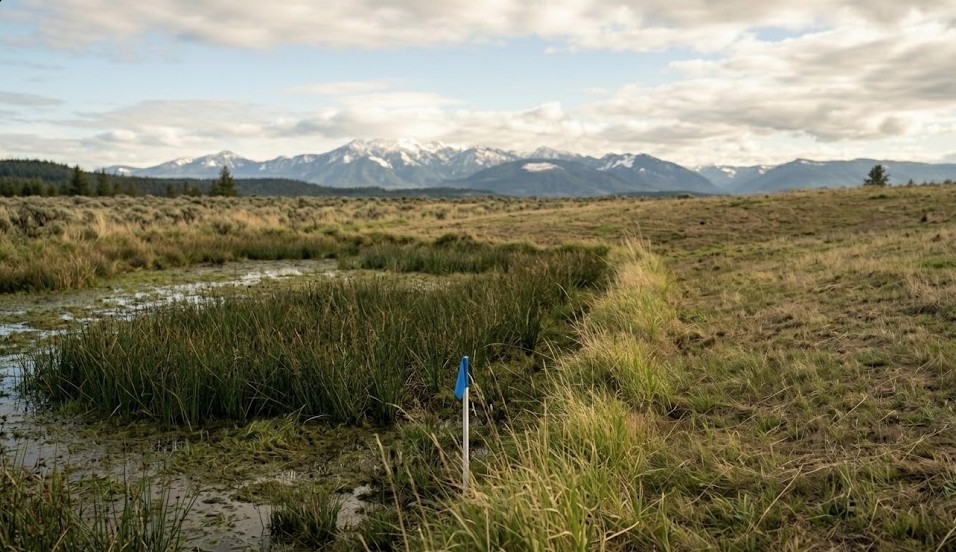
Check the county's critical areas map for your parcel. Look for wetlands, streams, steep slopes, flood zones, and habitat conservation areas.
If any of these features are on or near the property, they'll trigger buffer requirements that reduce your buildable area. The bigger the feature and the higher its classification, the larger the buffer. A professional environmental review gives you a precise picture before you close.
Keep in mind that critical area maps are approximate. A formal wetland delineation might reveal smaller or larger boundaries than the map shows. But the map gives you a starting point for understanding risk.
Check 5: Legal access to the property
Confirm that the parcel has either direct public road frontage or a recorded easement granting access across adjacent property.
If access is through a private road or shared driveway, read the easement agreement. Does it allow construction traffic? Does it require maintenance contributions? Is it permanent or conditional? Land surveys confirm easement boundaries before you commit.
Landlocked parcels with no legal access are extremely difficult to develop. In some cases, you can pursue a legal claim for access, but it's expensive and uncertain.
Check 6: Slope, drainage, and soil
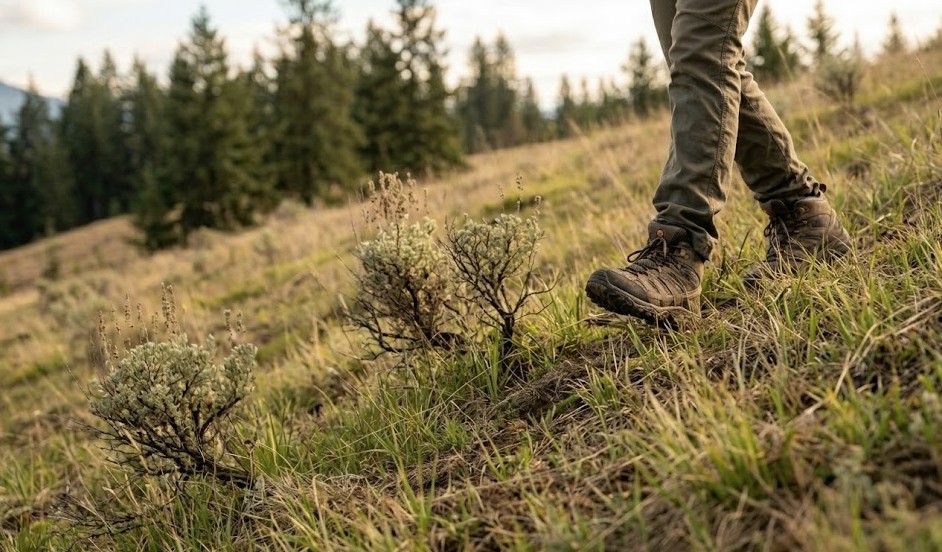
Walk the property. Not just the front. Walk the whole thing.
Look for signs of water pooling, steep grade changes, erosion, and soil type. Clay soil that stays wet. Sandy soil that drains too fast. Slope that might require retaining walls or engineered foundations.
Topographic maps give you an overhead view, but they don't replace boots on the ground. Conditions that show up during a spring rain might not be visible in a summer listing photo.
Visit the property during or after a heavy rain if possible. That's when drainage problems, standing water, and erosion reveal themselves. A parcel that looks perfect in August might have serious water management issues in November.
Check 7: Title issues and liens
Order a title search. Look for liens, encumbrances, easements that restrict use, and any pending legal claims against the property.
Some parcels have old utility easements that run through the middle of the buildable area. Others have tax liens or judgment liens attached. A title search catches these before you close.
Check 8: HOA, CC&Rs, and deed restrictions
Even vacant land can be subject to homeowners association rules or covenants, conditions, and restrictions. These can limit building size, architectural style, outbuilding placement, and land use.
Read them carefully. Some CC&Rs expire. Some don't. Some are loosely enforced. Some aren't.
The smartest thing you can do before closing
Make your offer contingent on a feasibility study. That gives you a professional evaluation of every factor above, conducted by someone who knows how Washington's county-by-county rules work and what to look for on the ground.
MKG Construction provides feasibility studies for buyers across Washington State. We check what the listing won't tell you and give you a clear picture of what you're buying before you sign.
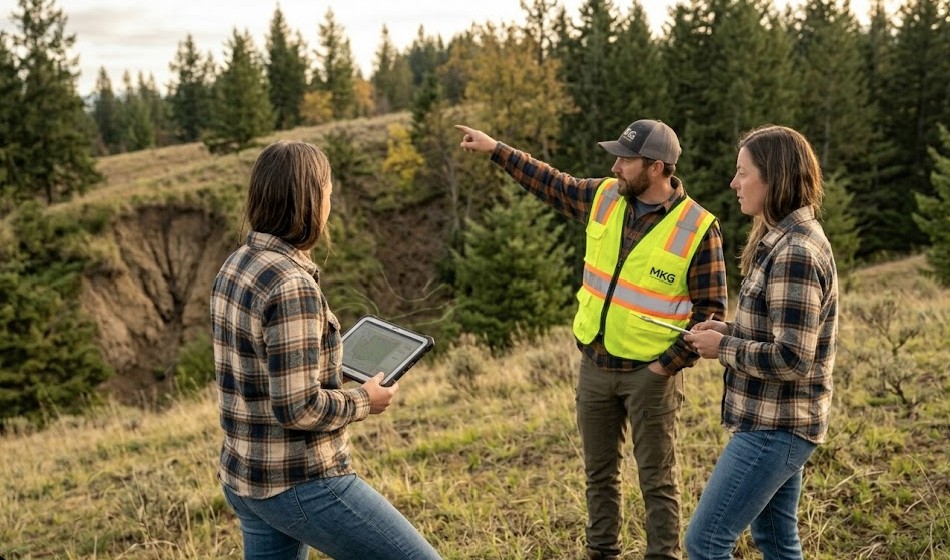
Looking at vacant land in Washington? Don't close on assumptions. MKG Construction's feasibility studies evaluate zoning, septic, utilities, access, slope, and environmental conditions so you know exactly what you're buying. Transparent pricing. No hidden fees.
Book a consultation