The $40,000 mistake that keeps happening
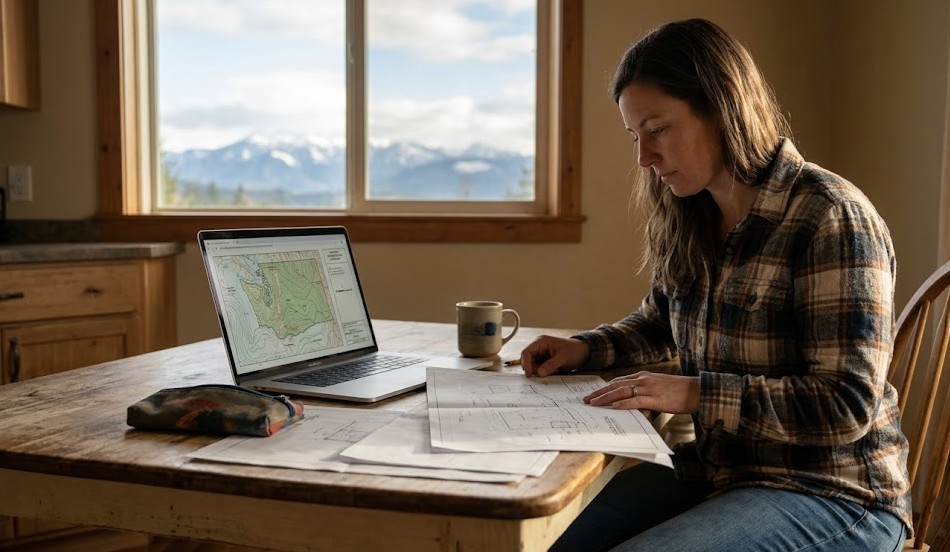
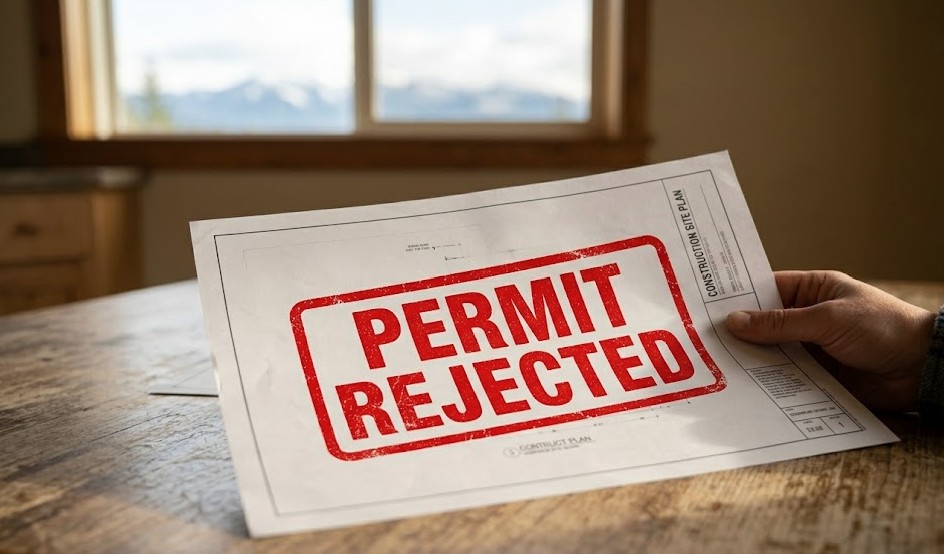
A couple in Thurston County bought five acres, hired an architect, and spent four months and $38,000 on house plans. When they applied for permits, the county flagged a wetland buffer that cut their buildable area by nearly half. The architect's design didn't fit the remaining footprint. They had to start over.
A feasibility study would have surfaced that wetland issue in a few weeks for a fraction of what the redesign cost.
This isn't a rare story. It's the story MKG Construction hears from new clients more often than you'd expect. People spend money on plans before they've confirmed what the site will actually allow.
Is a feasibility study legally required?
No. Washington State doesn't require a feasibility study before construction.
But here's the thing: neither is insurance on a car. The question isn't whether it's required. It's whether skipping it is a risk you can afford.
A feasibility study protects you from investing in design, permitting and coordination, and engineering for a project that the site won't support. It surfaces problems when they're cheap to find and gives you a real foundation for planning.
What you're actually risking without one
Without a feasibility study, you're making assumptions. Sometimes those assumptions are right. Often they're not.
Here's what can go wrong:
You hire an architect before confirming septic location, and the drain field conflicts with the building footprint. You submit permit applications before discovering your lot has a critical area overlay that requires an environmental review, adding months and thousands to your timeline. You budget for a standard foundation on a site that turns out to need engineered piers because of slope or soil conditions.
Each of these scenarios costs real money. Not hypothetical money. The kind of money that blows up a construction budget.
The cheapest phase of a building project is the evaluation phase. Spending a few thousand dollars on a feasibility study can prevent five-figure mistakes in design, permitting, and construction. Treat it like an investment in making every dollar after it count.
Who should absolutely get a feasibility study
Not everyone needs one. If you're building on a developed lot with confirmed utilities, sewer, and clear zoning in an established subdivision, you may be fine with standard due diligence.
But you should strongly consider a feasibility study if:
- You're building on raw, unimproved land.
- Your parcel is in a rural area without sewer service.
- The lot has visible slope, trees near potential wetland indicators, or limited road frontage.
- You bought the land without a site evaluation.
- You're an out-of-state owner with Washington property you haven't visited recently.
- The county's critical areas maps show features on or near your parcel.
If any of those apply, a feasibility study isn't optional. It's smart.
What a feasibility study catches that you won't see in a listing
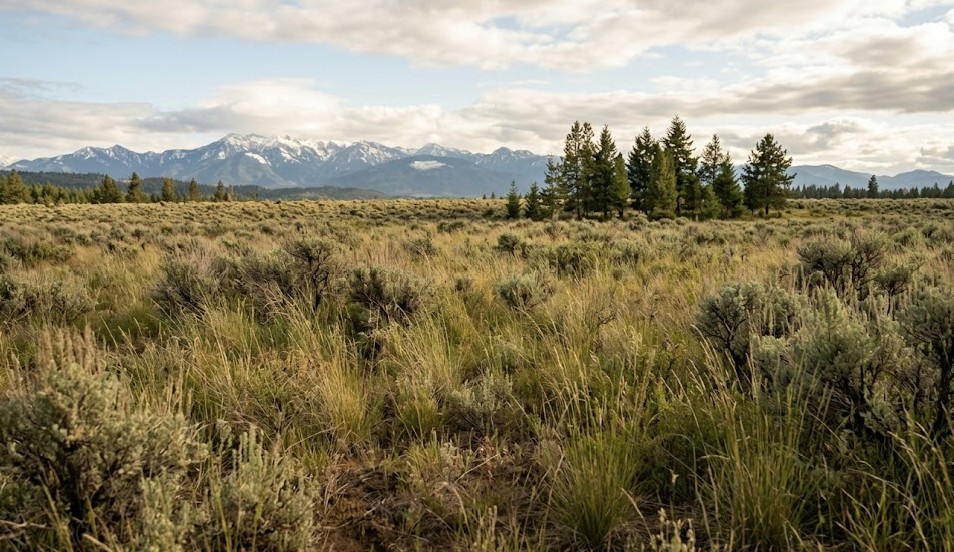
Listings don't mention setback distances that leave a 30-foot buildable width on a lot you thought was spacious. They don't flag that the nearest utility pole is 2,000 feet away. They don't tell you the county requires a geotechnical report because the slope exceeds 15%.
A feasibility study catches all of that. It looks at your parcel the way the county will look at it during permitting — but it does so before you've committed money to design. You can learn more about what makes a property unbuildable in Washington before you reach that point.
The study evaluates zoning, septic services or sewer, utilities, access, environmental constraints, slope, and drainage. It gives you a documented, realistic picture of what your parcel can actually support.
How a feasibility study affects your budget
Most landowners think of budgeting as a construction exercise. How much does the house cost per square foot? What are materials running these days?
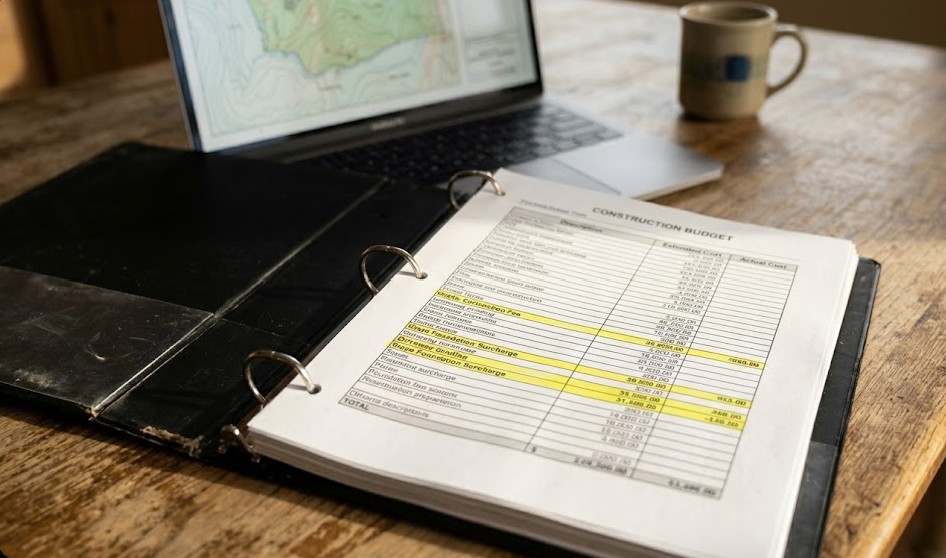
But the site itself can shift your budget dramatically. A parcel that needs an engineered septic system instead of a gravity system might add $15,000 to $30,000. A lot that requires a retaining wall because of slope might add $20,000 or more. Utility extensions, stormwater management, and access improvements are all site-driven costs.
A feasibility study tells you what those costs are before you set a budget. That way, your budget reflects reality instead of hopes.
Ask your feasibility provider to flag any items that are likely to affect timeline, not just cost. In Washington, environmental reviews and septic design can add weeks or months to the permitting process. Your schedule is a budget item too.
How MKG Construction handles feasibility
MKG Construction runs feasibility studies for landowners across Washington State. The process is straightforward.
We look at your parcel, research the zoning, evaluate septic or sewer options, check for environmental constraints, verify utilities and access, and assess site conditions. Then we give you a clear written assessment of what's feasible and what's not.
No hidden fees. Milestone-based payments so you know what you're paying for at each step. And no pressure to move forward with custom home building if the study reveals something that changes your plans.
The point is clarity. If the parcel works, you'll know what it takes. If it doesn't, you'll know before you've spent tens of thousands finding out the hard way.
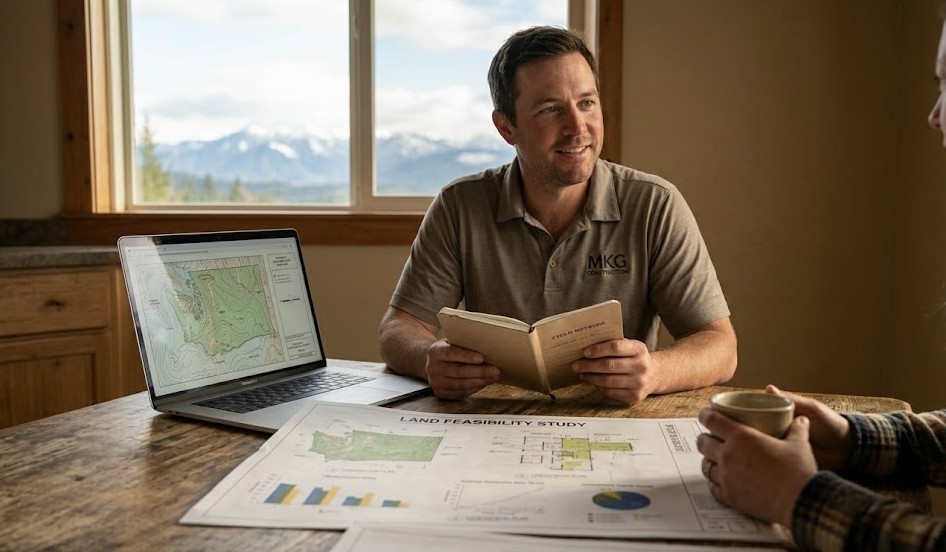
Not sure whether your land in Washington is ready for construction? Start with a feasibility study. MKG Construction gives you clear, documented answers about what your parcel can support — before you invest in design or permits. Transparent pricing. Milestone-based payments. No surprises.
Book a feasibility consultation