Yes, but “raw” means more work than most people expect
You can absolutely build a house on raw land in Washington State. People do it all the time. But raw land and a finished lot are very different starting points, and the gap between them has real costs, real timelines, and real planning requirements.
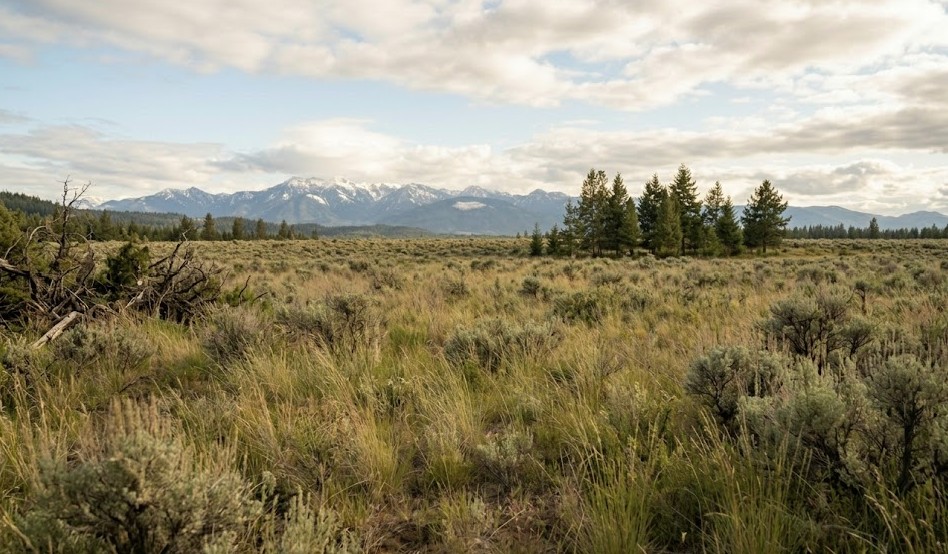
Raw land means no utilities. No graded building pad. No driveway. No septic. No cleared site. Sometimes no confirmed access. You're starting from the ground, literally.
That doesn't make it a bad idea. It makes it a project that requires honest evaluation before you commit.
What “raw land” actually means in Washington
When people say “raw land” or “unimproved land,” they usually mean a parcel that has none of the following:
- Paved or graded road access
- Electrical service on-site
- Water connection (municipal or well)
- Septic system or sewer connection
- Cleared or graded building pad
- Stormwater management
Each of those is something you'll need before a house can be built. Each has its own cost, timeline, and set of permitting requirements.
Some raw parcels need everything. Others might have road access and power nearby but nothing else. The fewer improvements that exist, the more site development work you're looking at.
The site development layer most people underestimate
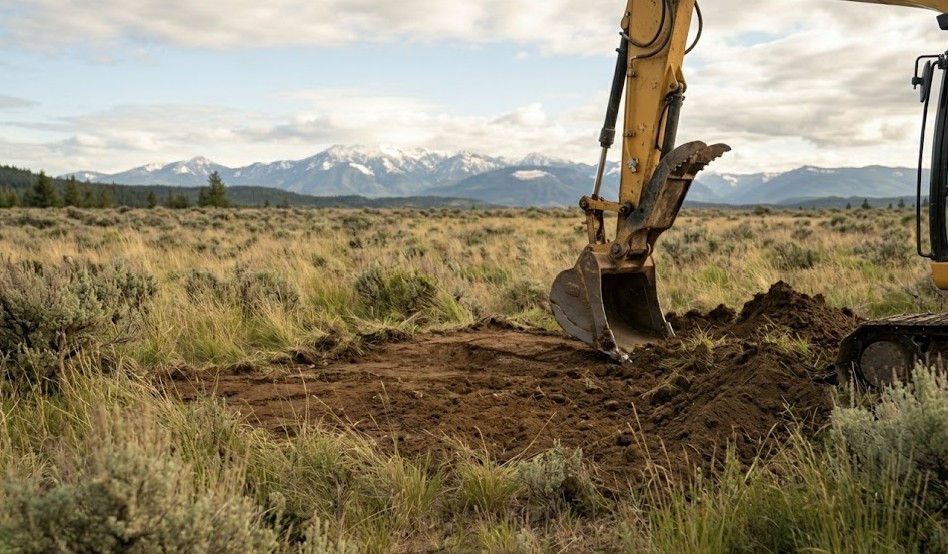
Here's where raw land projects diverge from building on a developed lot. Before construction starts, the site itself has to be prepared. This is sometimes called horizontal construction or site development.
It includes things like access road or driveway construction, tree clearing and grading, utility installation or extension (power, water, telecom), septic system design and installation, stormwater drainage systems, and sometimes retaining walls or erosion control.
On a developed lot, all of this is already done. On raw land, it's your responsibility. And in Washington, these site improvements have their own permitting requirements separate from the building permit.
Budget for site development as a separate line item, not part of your “house construction” number. Owners who lump everything together often discover that site prep eats 15% to 25% of their total project budget — sometimes more on challenging parcels.
What you need to confirm before designing
Before you hire an architect or pick out floor plans, confirm these basics:
- Is the zoning compatible with residential construction?
- Where on the lot can you build (after accounting for setbacks, buffers, slopes, and easements)?
- What septic system type is viable, and where will the drain field go?
- Where are utilities, and what will it cost to bring them to the building site?
- Are there environmental constraints that limit building location or require additional review?
This is exactly what a feasibility study answers. It takes your raw parcel and tells you what's possible, where, and roughly what the site development will involve.
Skipping this step and going straight to house design is how people end up with plans that don't fit the site.
The permit sequence for raw land builds
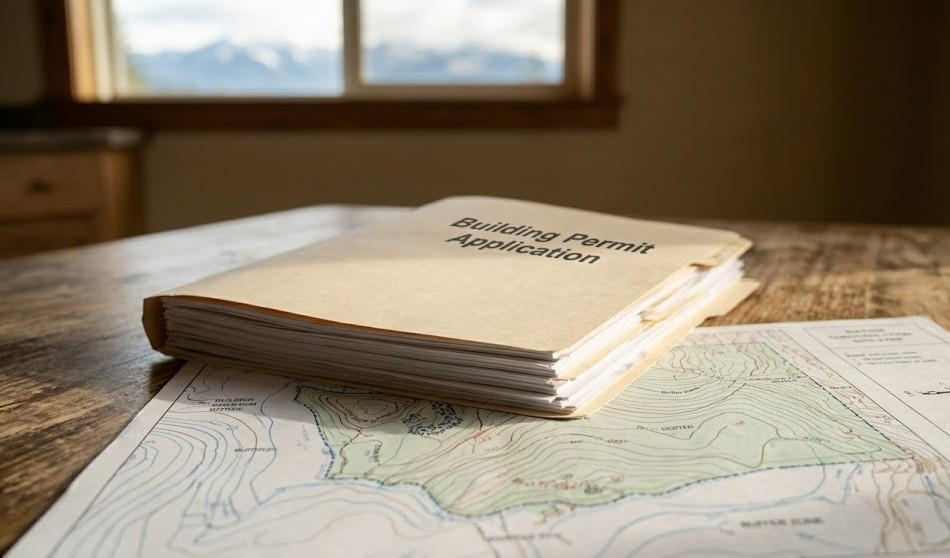
Building on raw land in Washington typically involves a layered permit process. It's not one application. It's several, and they often have to happen in a specific order.
You might need a grading permit before site work, a septic permit before or alongside the building permit, a well drilling permit if no municipal water is available, stormwater and erosion control approvals, and finally the building permit itself.
County requirements vary. King County's permit sequence looks different from Spokane County's. Clark County has its own process. Getting the order wrong can mean delays or re-applications.
This is where permit coordination matters. MKG Construction handles this layering for clients so permits are submitted in the right order, at the right time, with the right documentation.
Don't assume you can pull all permits at once. In many Washington counties, septic approval must be in hand before a building permit application is accepted. Ask your county what the required sequence is, or work with someone who already knows.
Financing a raw land build
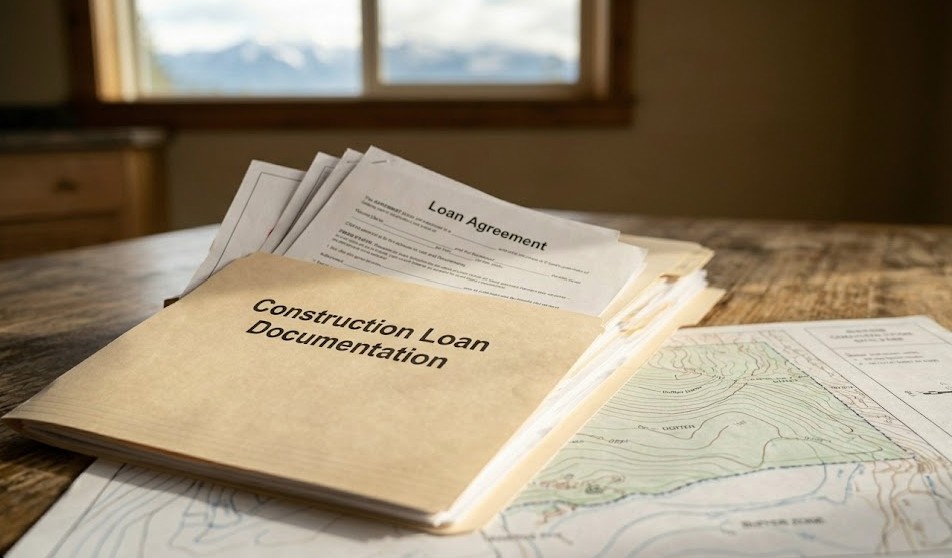
Lenders treat raw land differently than improved property. A construction loan on raw land typically requires a larger down payment, carries higher interest rates, and may require proof of feasibility — including confirmed utilities, access, and septic.
Some lenders won't lend on raw land at all. Others will, but they want to see a clear plan: approved permits, a signed construction contract, and evidence that the site is developable.
A feasibility study and clear project plan make you a stronger borrower. Lenders want to see that the project is real, not speculative.
How long does it take to go from raw land to a house?
Timelines for raw land builds in Washington vary widely, but a rough framework:
That's not a reason to avoid it. It's a reason to start early and plan realistically. Our project management approach keeps each phase on track.
MKG Construction handles raw land from evaluation to finished home
MKG Construction works with landowners across Washington State who are building on raw land. We start with a feasibility study to confirm what the site can support, then coordinate permitting, manage site development, and build the home.
Our three-phase approach: feasibility first, then permitting and coordination, then custom home building. At each phase, you know what you're paying, what's happening, and what comes next. Milestone-based payments. No hidden fees.
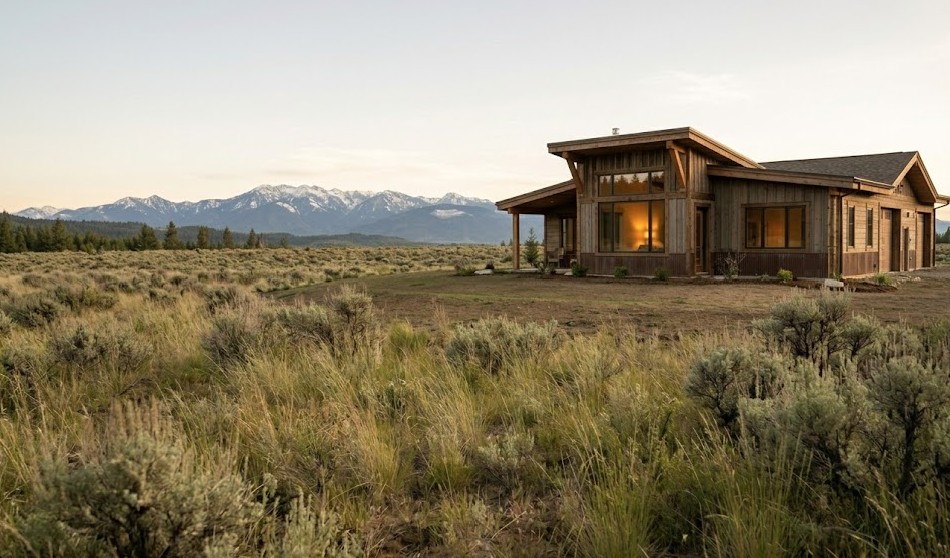
Own raw land in Washington and want to build? MKG Construction starts with the site, not the floor plan. Our feasibility studies tell you what's possible, and our team handles permitting, site prep, and construction. Milestone-based payments. No hidden fees.
Get clear answers